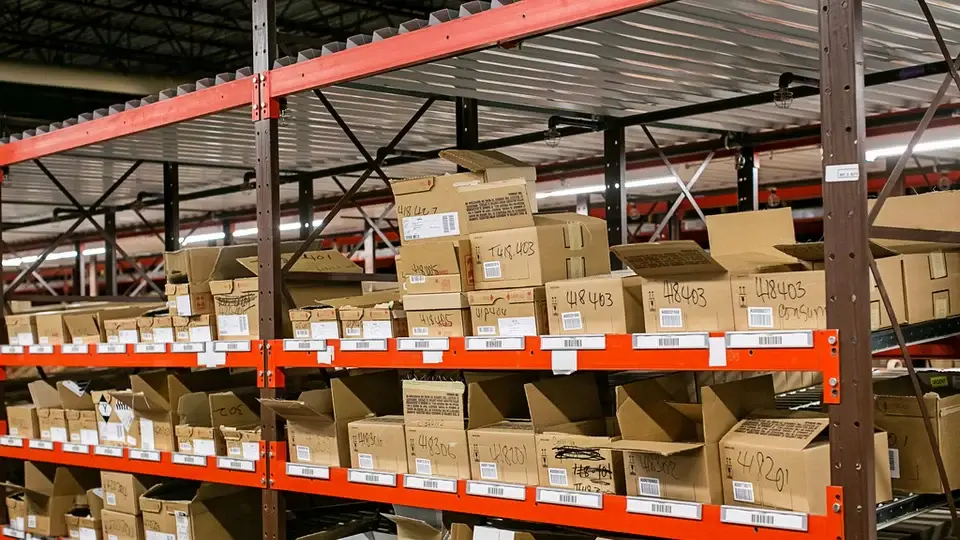
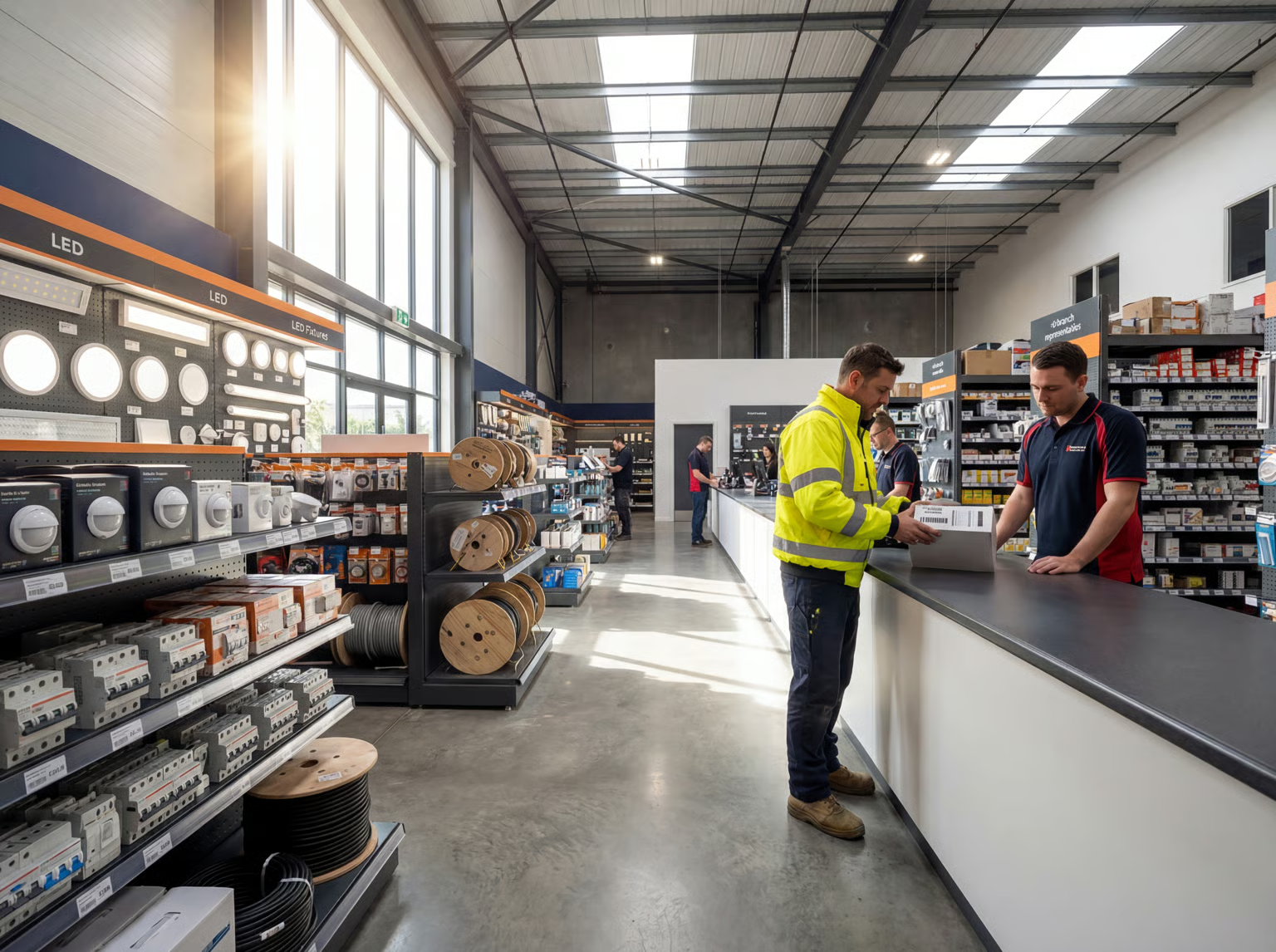
More stock. Less capital. Better cash flow.

Hold what you need, without paying upfront.

Consignment allows your business to keep stock on hand without buying it upfront.
You only pay when products are sold or used.

That simple shift changes everything.

It means:

  • Better availability when customers need it

  • Fewer delays waiting for deliveries

  • Less cash tied up on shelves or in vans

For businesses that sell, install, or use products, consignment is one of the most effective ways to grow without straining cash flow.

Why customers use consignment

Consignment improves cash conversion by reducing upfront inventory spend while keeping product availability high, growth with less balance sheet strain.

Jobs are completed faster

When stock is already on site, work doesn’t stop while someone requests a quote, places an order, or waits for delivery. You complete tasks in one visit, reduce downtime, and keep schedules (and customers) moving.

Stockouts are reduced

Having stock available at the point of use dramatically reduces last-minute shortages. That means fewer lost sales, fewer delays, and less time spent scrambling to source urgent replacements.

Cash flow improves

You stop paying for stock weeks or months before it generates revenue, freeing up cash for growth and day-to-day operations. And if certain items move slower than expected, stock can be returned or redistributed so capital isn’t trapped in the wrong places.

Growth doesn’t require more working capital

You can take on more jobs, serve more customers, or support additional locations using existing stock, without continually injecting cash into inventory.

Consignment lets your business scale operationally, not just financially.

Distribution

Consignment Stock for Electrical Distributors: A Practical Guide

Modern supply chains often involve multiple layers: suppliers, wholesalers, sub-consignees, and field technicians. This guide explains how multi-entity consignment works and how to manage it effectively.

Learn more

Why suppliers often say no (and how to change that)

Suppliers don’t resist consignment because it doesn’t work.

They resist it because they fear:

  • Losing visibility once stock leaves their warehouse
  • Disputed or delayed sales reporting
  • Stock going missing or being miscounted
  • Awkward reconciliation conversations

Those concerns are valid — without the right system.

How Consigna changes the conversation

Consigna removes these risks by giving suppliers:

  • Real-time visibility into where stock sits

  • Accepted transfers, so nothing moves without confirmation

  • Clean reconciliation, with one shared set of numbers

Instead of asking suppliers to “trust you”, you’re offering them a shared system of agreement.

That’s why they say yes.

How to ask your supplier for consignment

Use this. It works…

“We’d like to trial consignment using Consigna, a shared system where you keep ownership of the stock, see sales in real time, and approve all movements before they’re final.”

This does three important things:

  • It reassures them they keep control

  • It removes fear of disputes

  • It positions consignment as professional, not informal

You’re not asking for a favour. You’re proposing a better way of working.

Start with one supplier. Prove it. Expand from there.

Most businesses begin consignment with:

  • one supplier

  • one location

  • one product range

Once the benefits are clear, it becomes the preferred way to operate.

Invite your supplier to Consigna

Start a trial that improves cash flow for you, and control for them